Hey, it's Pam! The data is solid, so why does the report keep stalling in review? This week I'm looking at what structure has to do with it. Speaking of structure: PAM, our Professional Authoring Model, rewrites your documents based on readability research and shows you why each change works. Want to see it on one of your reports? Hit reply and I'll set up a demo. |
|
|
|
AI can be a giant time suck. Here's how to fix that. |
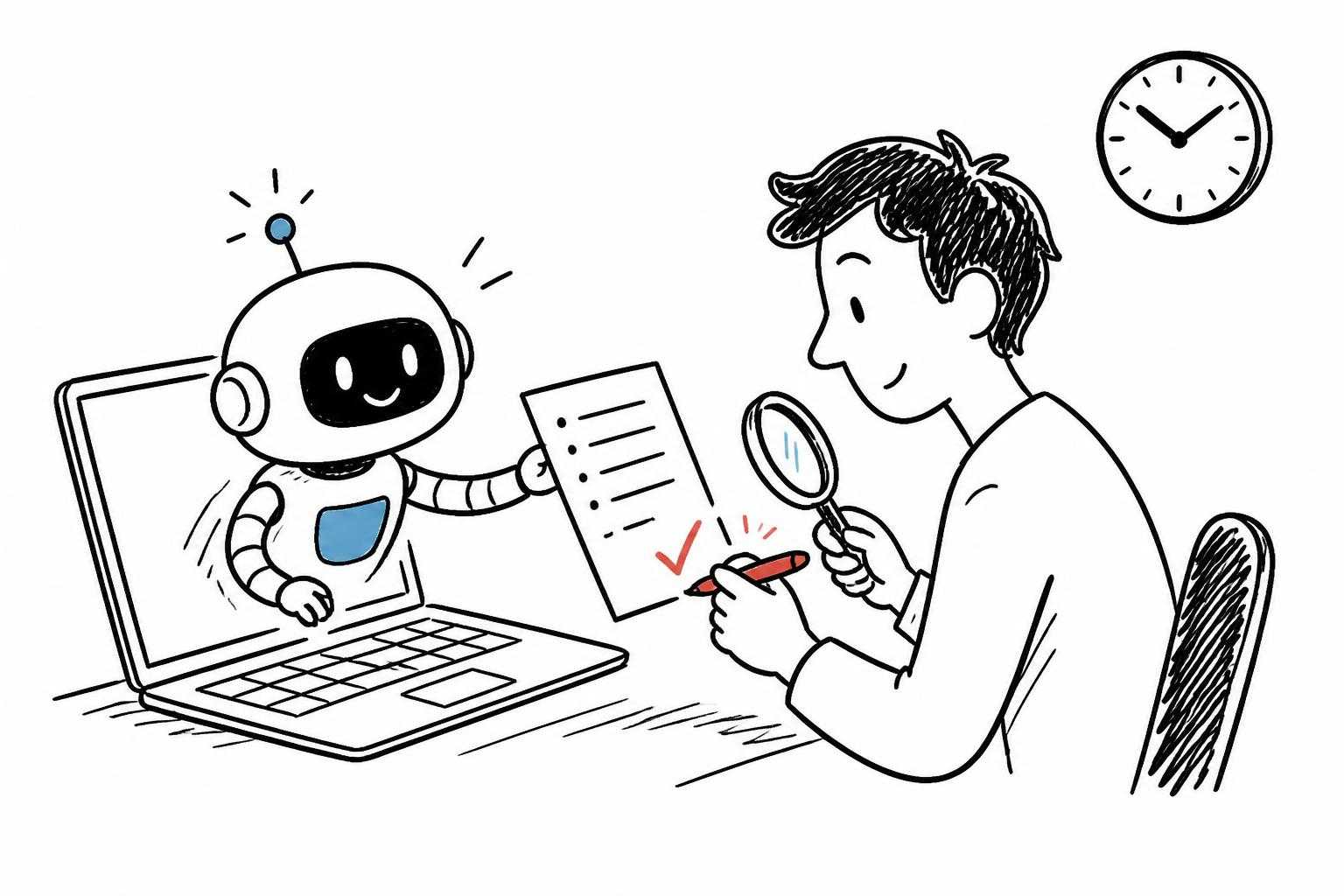
A lot of teams assume a little AI training is all they need. Then they spend hours rewriting what the tool produced or checking facts it got wrong.
Our workshop, Using AI to Write Effectively, is built around the documents your team actually writes, from emails and reports to SOPs and sales materials. Your team will learn: - Foundational AI principles so everyone understands how AI works and uses it efficiently
-
Core prompting practices: setting persona and context, breaking down tasks, and getting the output you need
- Critical review and quality control: verifying facts, checking logic, and evaluating output against your organization's standards and your reader's needs
- Human-in-the-loop editing: fixing structure and robotic phrasing while keeping your voice and your oversight
The course is continually updated with the latest AI strategies, so your team learns to use AI efficiently, effectively, and ethically. Want to see how it would work with your team's documents? Hit reply and I'll set up a quick call. |
|
|
|
Why well-researched reports still lose their readers |
I see this constantly in regulated and technical work: the testing was sound, the analysis holds up, and the report still stalls in review. In most of these cases, the structure around the work is what's holding it back.
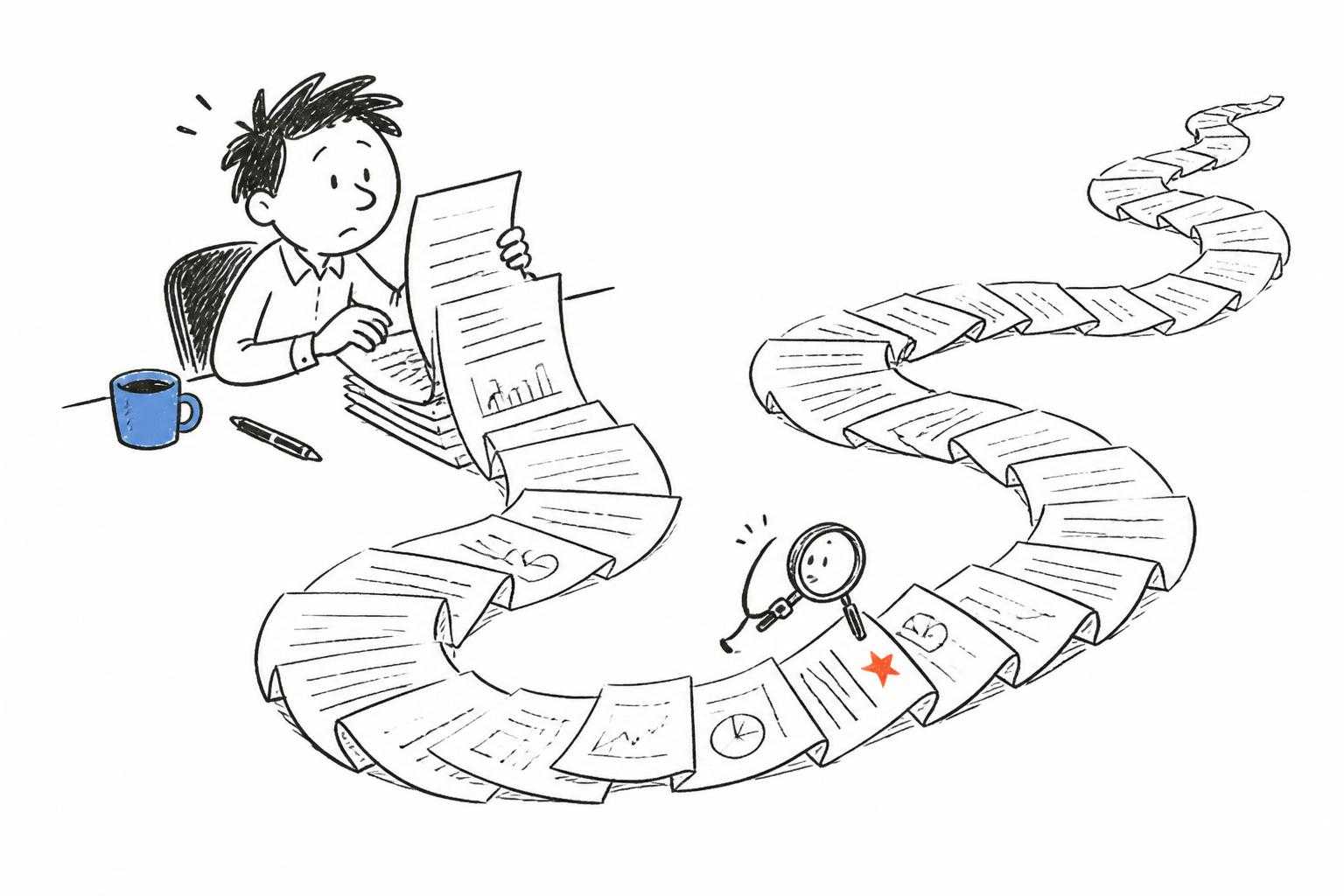
The most common pattern is chronological. Authors organize information in the order they discovered it: first the tests were run, then the data was reviewed, then the issue became clear.
It's a natural way to tell the story, but it makes the reader work through the whole investigation before learning what it found. And most readers are skimmers who need different things from the same document: - A technical expert may want the complete account.
- A manager or approver needs the conclusion, the risk, and the decision you're asking them to make.
In regulated environments, documents often serve as a record of your reasoning. When the organization is weak, that record gets weaker too, even when the science behind it is solid. Teams miss dependencies, overlook risks, or approve work without a shared understanding of what the evidence supports.
The fix: Organize around what your reader needs to do with the document. - Lead with the finding or decision.
- Follow with the evidence that supports it.
- Put the investigation history last (if the reader needs it at all).
Before you draft, ask yourself who's reading this, what they have to decide, and what they need to see first to decide it. |
|
|
|
The alarm report that pointed at the wrong cause |
Original
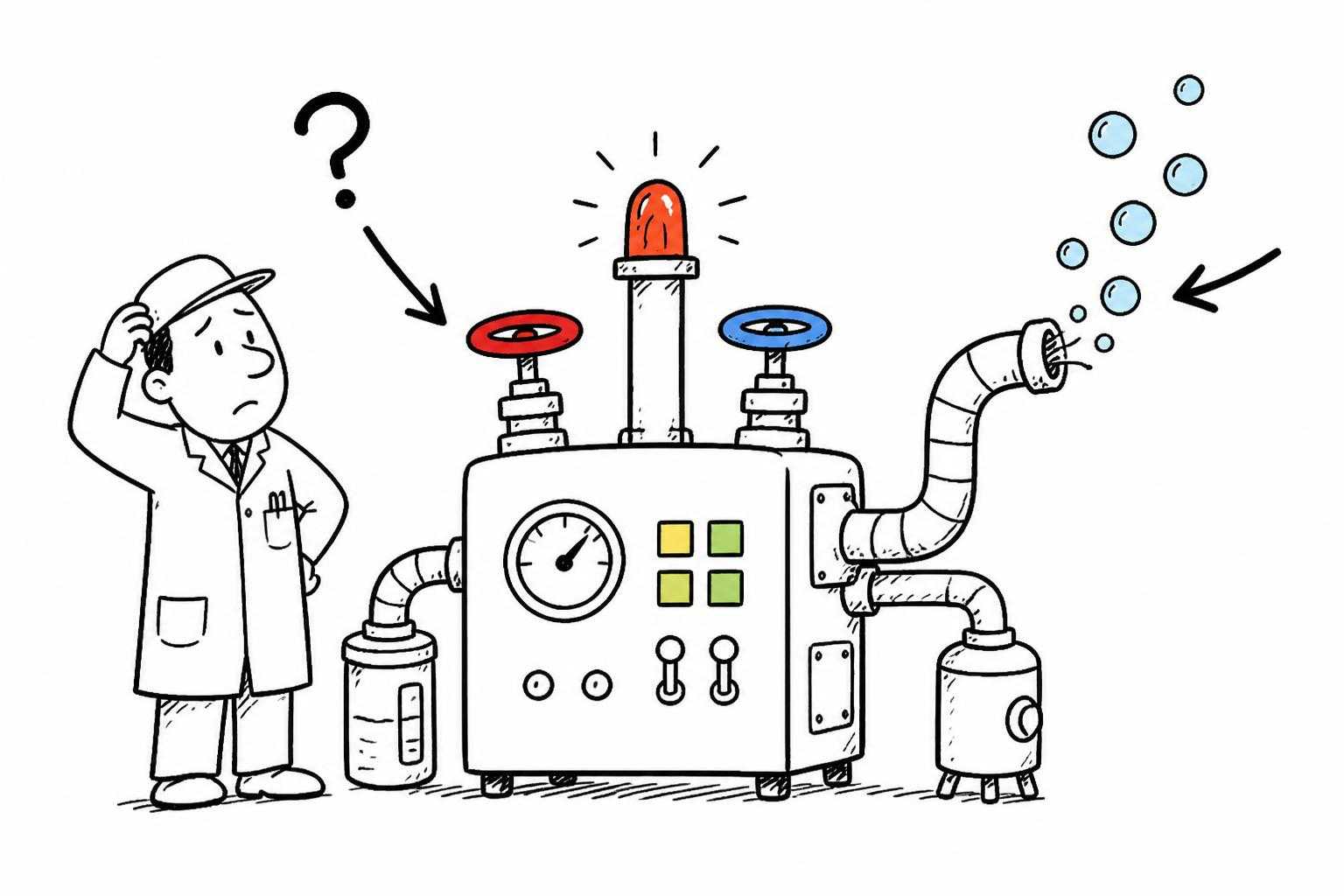
On 11Sep24, during step 6.8.19 of SOP153, a Hi pressure alarm triggered because the formulation buffer was erroneously connected to Inlet 2D, which was below the minimum amount (<2ml of the required 18ml). This introduced air into the system and caused the Hi pressure alarm. Operators paused the recipe after turning off the alarm, and they phoned Manufacturing Management, Quality, Process Development, and Manufacturing Sciences. To fix the issue, operators manually changed the inlet flowpath from the incorrect 2D to the correct inlet 2E. The recipe resumed without further issue.
Rewrite Description: On 11Sep24, during step 6.8.19 of SOP153, operators responded to a Hi pressure alarm, triggered because air was being introduced into the system: the Formulation Buffer connected to Inlet 2D was nearly empty. Immediate Action Taken Operators: - paused the recipe
-
contacted Manufacturing Management, Quality, Process Development, and Manufacturing Sciences
- changed the Inlet flowpath from 2D to the correct inlet 2E per SOP-307
Impact: The recipe resumed without further issue. Why it works The original opens as though the wrong connection triggered the alarm, when the cause was air in the system. The rewrite names the real cause up front, bullets the three actions so they register at a glance, and gives Impact its own heading so management can find it without hunting. |
|
|
|
Thanks for reading!
Don't want to receive these emails? There's an unsubscribe button at the bottom. Copyright © 2026 Hurley Write. All rights reserved.
19701 Bethel Church Rd., Ste 103-144, Cornelius, NC 28031 |
|
|
|
Disclaimer: The documents shown in this newsletter are fictional samples created by Hurley Write for illustrative and educational purposes only. Any names, companies, data, or scenarios depicted are invented and do not represent real clients, organizations, or events. These materials should not be mistaken for, or used as, an actual client's work product. |
|
|
|
|