Hey, it's Pam
This week I'm fired up about what AI companies are doing to get their hands on human writing, and what it tells us about the value of yours.
Speaking of AI and writing: we built PAM, our Professional Authoring Model, to do the opposite of what these companies are doing. Instead of scraping human writing to replace it, PAM rewrites your documents according to readability principles and explains why each change works. No prompts. Five simple questions from a drop-down, and you get a redlined document with the reasoning behind every edit. Hit reply if you'd like a demo.
|
|
|
|
Amazon is destroying books. Your writing still matters. |
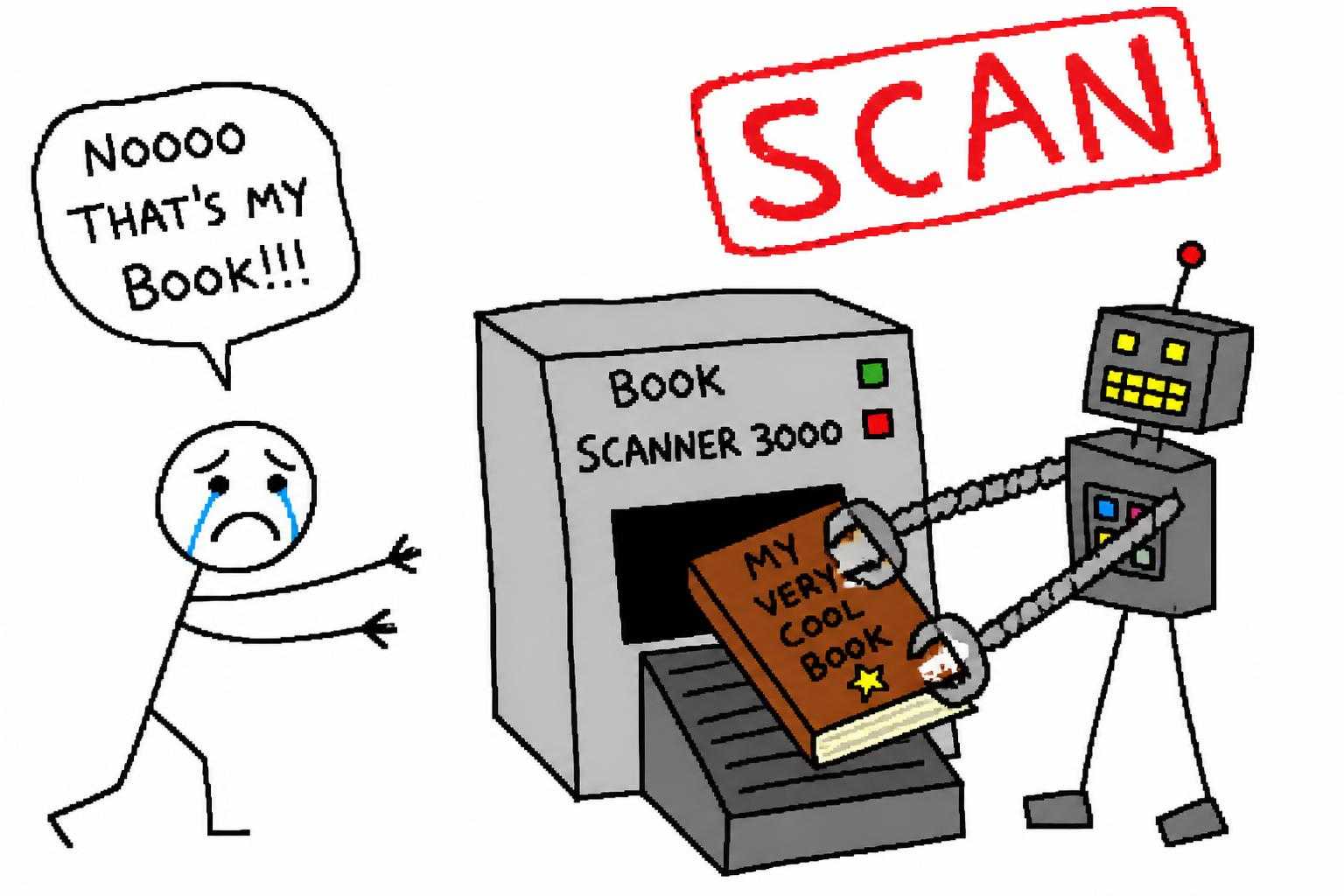
Maybe you've heard: Amazon has been buying rare books in bulk, cutting off their covers, scanning the pages for AI training data, and destroying what's left. A 404 Media investigation tracked a book with a hidden device straight to an Amazon warehouse in Las Vegas where this happens at scale.
Here's the part that should matter to you: AI companies want these books because genuine human writing is the only thing that keeps their models from collapsing. When AI trains on AI-generated text, the output degrades. They need writing that a real person thought through, organized, and committed to paper.
That should tell you something about the documents your team produces every day. I see it constantly in the organizations I work with: SOPs, deviations, and investigation reports that are read by humans who need to understand them and come to the correct conclusion. The writing has to do that work, and if even the companies building AI know that human writing is irreplaceable, your team should treat it that way too. The fix: invest in the people who write your documents. Clear writing starts with clear thinking, and no tool can do that for you. |
|
|
|
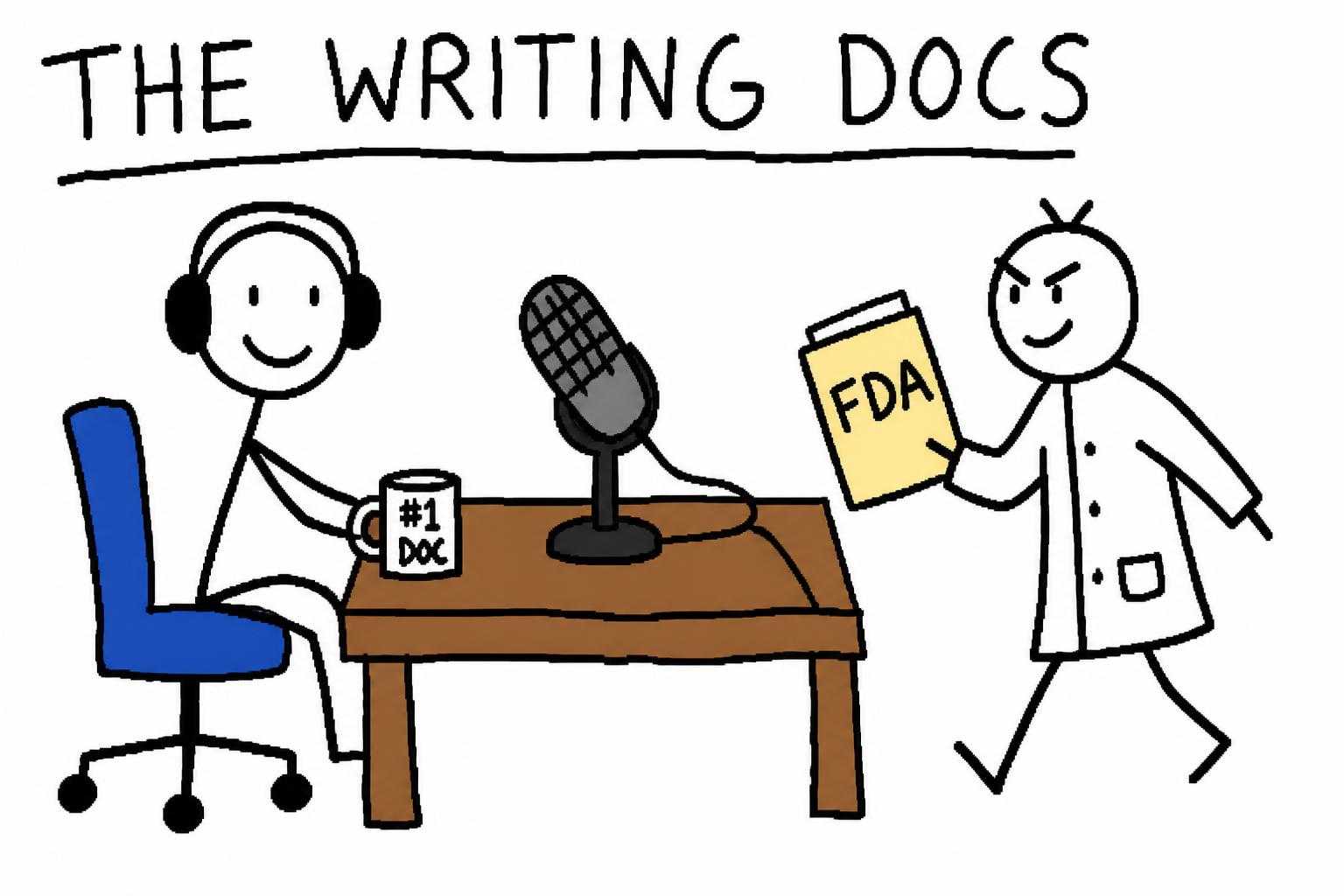
"The Writing Docs" new season: "FDA Insiders: Secrets Revealed" |
Our new season of "The Writing Docs," our amazing podcast, launches Oct. 1! And this season, we're talking to former FDAers about what they saw in document submissions and what to avoid. Some nuggets: - the FDA reads only parts of your entire submission (gasp!)
- details matter and mistakes, even small ones, can derail your submission (surprise!)
-
if a document is difficult to read, the reviewer will likely delay reading it (bombshell!)
Check out past seasons of "The Writing Docs": https://www.hurleywrite.com/podcasts/ |
|
|
|
The cracked bag that buried its own conclusion |
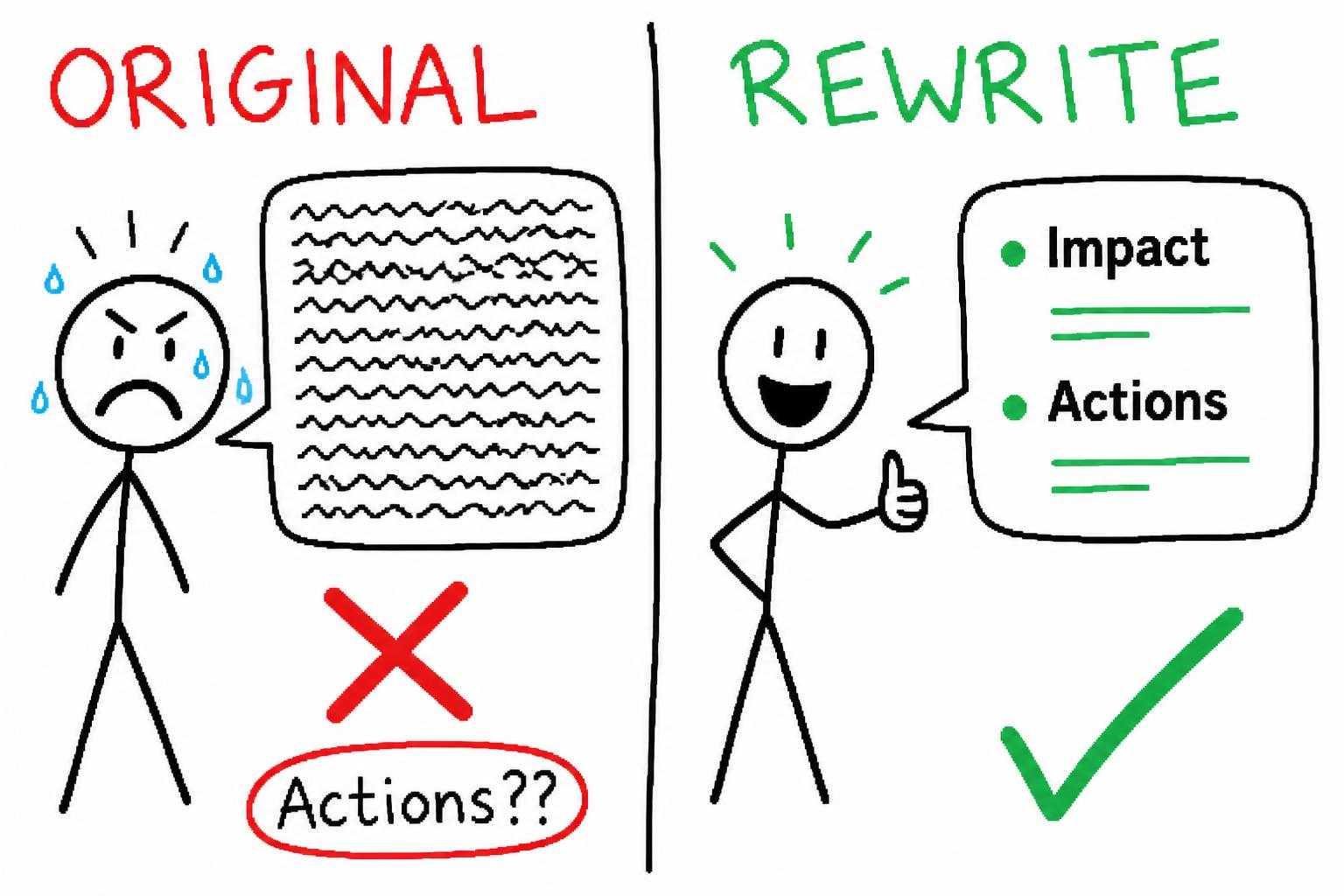
Each issue we show a real anonymized regulated-industry document alongside our rewrite, so you can see exactly what changed and why. Original
Impact and Risk Analysis: There is no impact since the defect was caught prior to infusion and was not administered to the patient. There was impact to the bag as it was breached and could not be administered to the patient. Investigation Summary and Conclusion: Review of the packout and shipment process did not yield any deficiencies or potential issues that could have led to the cracked bag. Review of the manufacturing, labeling and re-labeling process did not yield any deficiencies or potential issues that could have led to the cracked bag. Review of the clinical site receipt indicated that there were issues with opening the cassette which could have caused the cracked bag. A new cassette with a swing arm closure has been implemented which is expected to mitigate future cracked bags caused by handling and opening the cassette. This is due to the swing arm being much easier to operate than the previous closure.
Rewrite Impact and Risk Analysis -
No impact to the patient: breach was caught prior to infusion.
- Bag impacted as it was breached and could not be administered to the patient.
Investigation Summary and Conclusion Deficiencies or potential issues leading to cracked bag: - None to packout and shipment and manufacturing, labeling and relabeling processes
-
Clinical site receipt: issues opening the cassette, which could have caused the cracked bag
Actions Taken: A new cassette with a swing arm closure has been implemented, which is expected to mitigate cracked bags caused by handling and opening the cassette.
Why it works
The original writer rightly puts impact first, but buries it in a single paragraph. Bolding and bulleting "no impact to patient" and "bag impacted" let the reader see the key findings without searching. We grouped the investigation outcomes so the two areas with no deficiencies don't compete for attention with the one that matters. Adding a separate "actions taken" heading means the corrective step is findable on first scan, not hidden at the end of a block of text.
|
|
|
|
Thanks for reading!
Don't want to receive these emails? There's an unsubscribe button at the bottom. Copyright © 2026 Hurley Write. All rights reserved.
19701 Bethel Church Rd., Ste 103-144, Cornelius, NC 28031 |
|
|
|
Disclaimer: The documents shown in this newsletter are fictional samples created by Hurley Write for illustrative and educational purposes only. Any names, companies, data, or scenarios depicted are invented and do not represent real clients, organizations, or events. These materials should not be mistaken for, or used as, an actual client's work product. |
|
|
|
|